500
Riders
8
Gravel climbs
3
Timed segments
How do you time 500 gravel riders across eight climbs in a single day? At Octopus Gravel in Andermatt in June 2026, that was exactly the question.
Eight arms, one centre
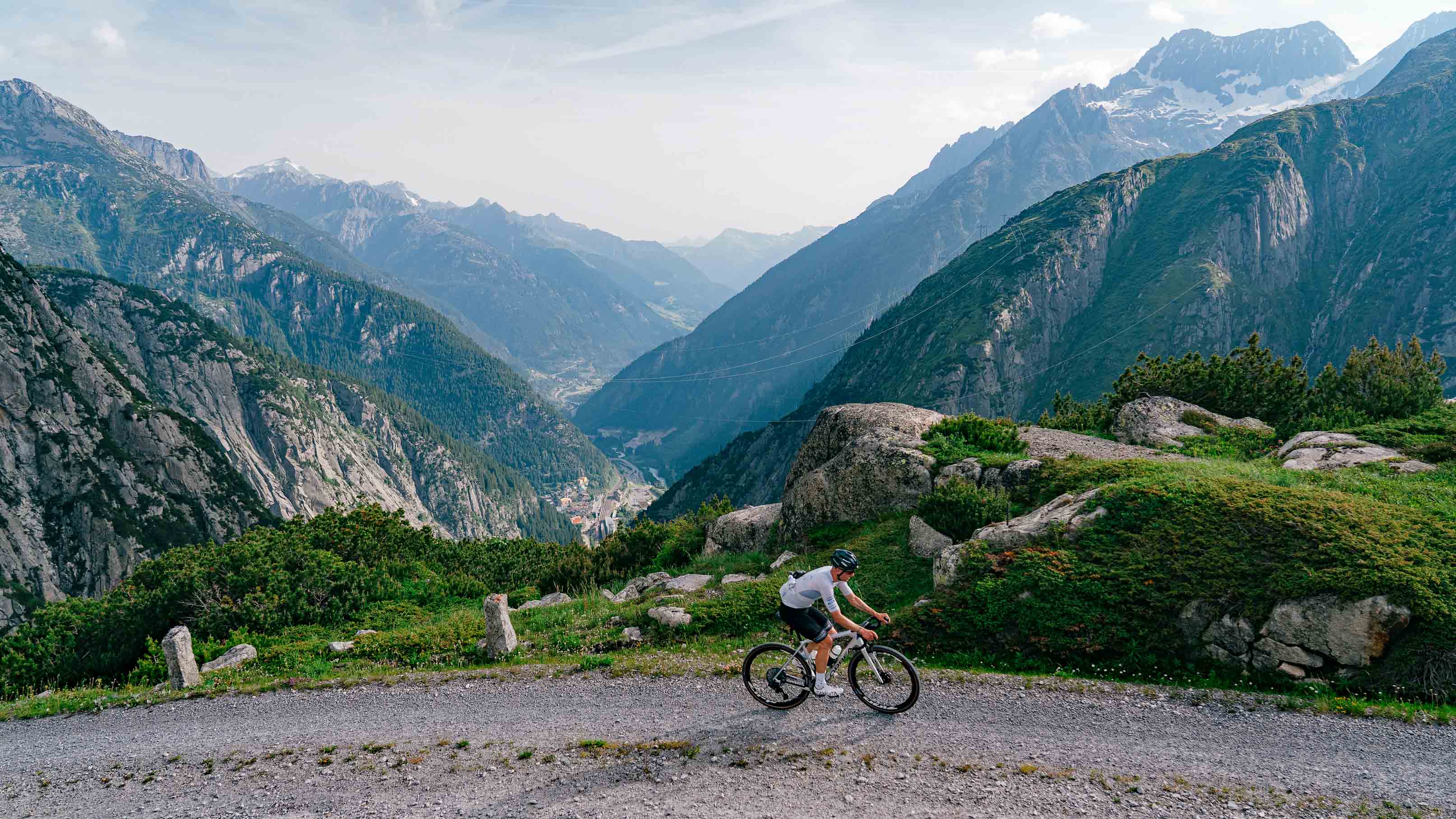
The format is unusual: eight gravel climbs act as "arms", every one of them leading back to the festival area. Riders decide for themselves how many climbs fit into their day – anyone taking on all of them covers 155 kilometres and 4,450 metres of climbing. On top of that come three timed race segments of four to six kilometres each, ranked separately for women and men, for those who want to know exactly where they stand.
The day is not about the stopwatch, though. It is about the experience: collecting climbs, enjoying the feed zones, soaking up the festival atmosphere.
Why GPS instead of infrastructure
This is exactly where LaceUp comes in. We solve it by GPS – no mats, no stamp cards, no infrastructure that has to be hauled up every summit. The timed segments are captured automatically, and every conquered climb counts as completed at the top, with nothing installed at 2000 metres and above.
With eight scattered climbs in high alpine terrain, that is the decisive difference: conventional timing would have to stand at eight points at once. Instead the scoring runs on the devices participants are carrying anyway.
Free route choice instead of a fixed course
Because nobody is tied to a set order, everyone assembles their own day: two climbs and a long stay in the festival area, or all eight arms and 4,450 metres of climbing. Both are recorded cleanly.
The kind of event this suits
- When it is not about hundredths, but about experience and flexibility
- When participants should choose their own route and their own distance
- When the courses are too scattered or too high for infrastructure
- When timed sections and relaxed collecting should coexist
- When the organisers should be free to focus on what makes the day special